

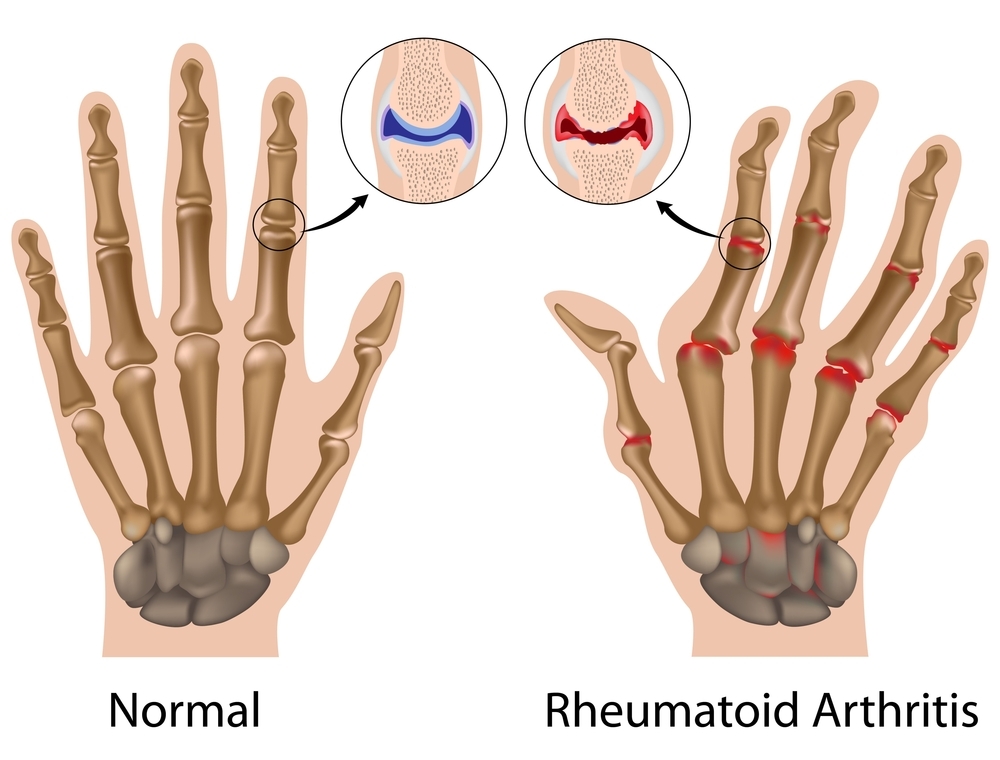
Rheumatologists are medical doctors who specialise in diagnosing and treating diseases that affect the joints, muscles and bones.
They work closely with other healthcare professionals, including doctors, physical therapists and orthopaedic surgeons, to provide comprehensive care for patients with rheumatic diseases.
Health experts say a person needs to see a rheumatologist when one experiences persistent joint pain or swelling, morning stiffness or limited mobility, a family history of autoimmune or rheumatic diseases and or when symptoms worsen over time or do not respond to treatment.
During the recent commemoration of World Arthritis Day, it became evident that Ghana is facing a serious shortage of rheumatologists, with only three specialists serving a nation of 30 million people (See Daily Graphic, Tuesday, October 14, 2025, page 38).
This scarcity has led to delayed diagnoses, inadequate care, and unnecessary suffering for countless individuals afflicted with rheumatic diseases.
Rheumatic diseases, such as arthritis, lupus and gout, are a significant cause of pain, disability, and lost productivity in the country.
According to estimates, the economic impact of these diseases is substantial, accounting for around 5.75 per cent of the country’s GDP.
Women between the ages of 30 and 50 are disproportionately affected, bearing the brunt of these conditions.