

Period blood test could offer less invasive alternative to cervical screening

Testing period blood for signs of cervical cancer could be an accurate and convenient way of screening for the disease, researchers say.

The current NHS test involves a nurse or doctor taking a sample of cells from the cervix – but a third of women invited for screening do not attend.

A study of the new test, which can be carried out at home, used blood collected on a cotton strip attached to a standard sanitary pad.

Cervical cancer charities say finding new and potentially gentler ways of testing for the disease is encouraging and could improve access, although it is still early days for this research.

Read More
FDA urges public to stop buying foods sold near open gutters

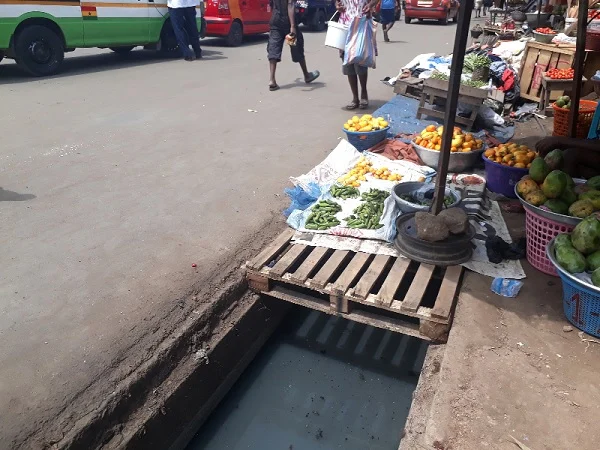
The Food and Drugs Authority has urged the public to stop buying food sold near open gutters, warning that the practice puts public health at risk.

According to the Deputy Chief Executive Officer at the FDA in charge of Food Division, Mr Roderick Daddey-Adjei, the common habit of preparing and selling food in unhygienic surroundings continues to undermine efforts to improve food safety across the country.

“Food should not be sold by a gutter, and we will not defend that,” Mr Daddey-Adjei said during a radio interview on Citi FM on Tuesday [February 3, 2026].

Read More

Health benefits of millet

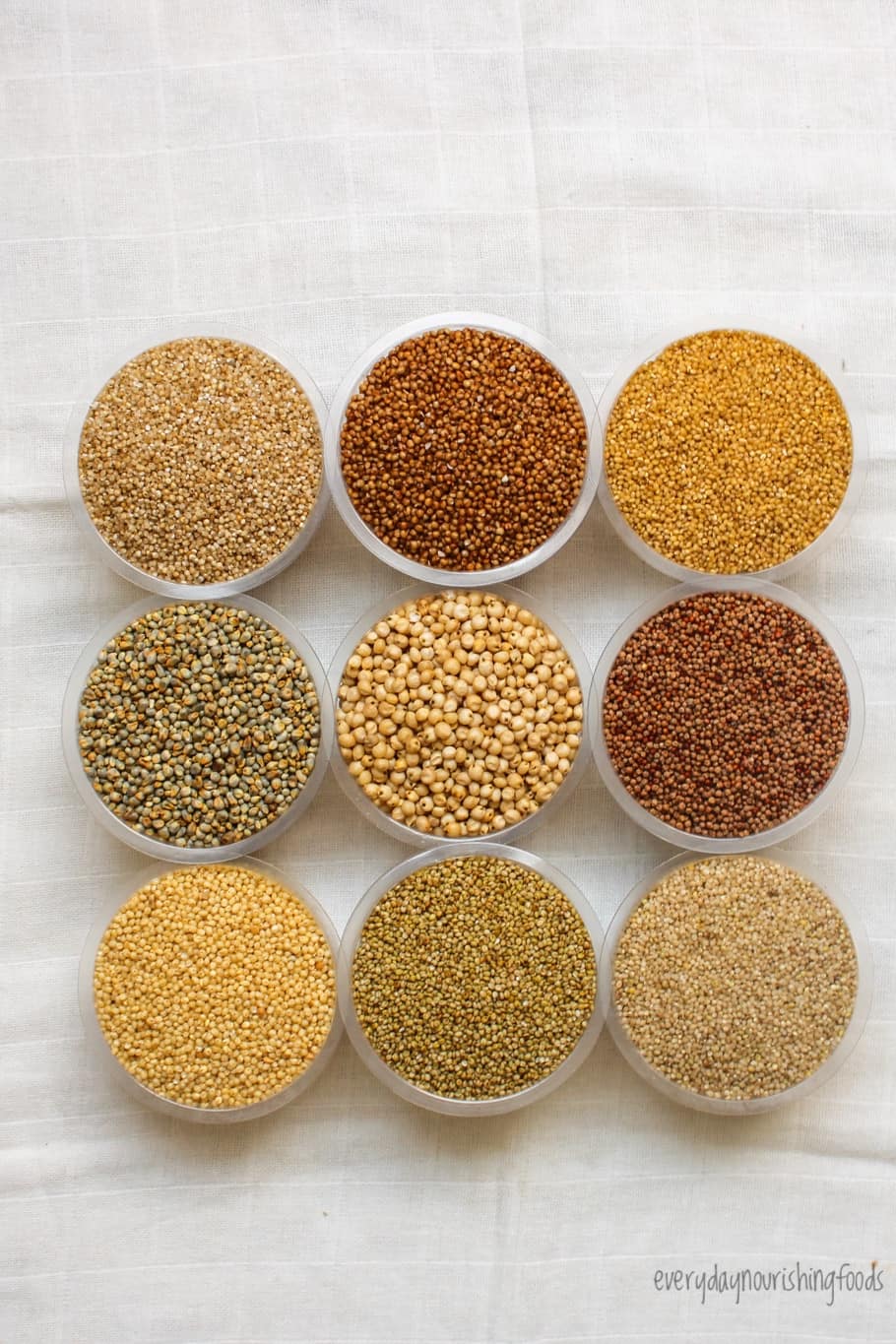
Millet is a good source of protein, fibre, vitamins, minerals and has a unique high content of nutrients.

It is a group of small-seeded grasses, which is cultivated throughout the world, mainly grown in developing countries, but its ability to grow in relatively harsh and dry environments possibly makes it a highly versatile crop.

It can be used as a traditional cereal and can also be used in porridge, snacks, and other types of bread.

Millet banku is a way of adding a new twist to your regular banku recipes.

Here are some benefits of adding millet to your meal:

Read More

Low vaccination, poor screening fuel cervical cancer burden — Dr Aisha Ali Issaka

A gynaecologist at the Komfo Anokye Teaching Hospital (KATH), Dr Aisha Ali Issaka, has expressed concern that low uptake of vaccination and screening continues to undermine efforts to curb cervical cancer in the country.

In an interview with The Mirror last Thursday, Dr Ali Issaka said cervical cancer was among the most preventable cancers in women, yet many Ghanaians were failing to take advantage of available preventive measures.

She explained that vaccination against the Human Papillomavirus (HPV) and regular screening could significantly reduce cervical cancer cases, but uptake of both interventions remained low.

Read More

GHS to roll out typhoid vaccination for food handlers

The Ghana Health Service (GHS) has announced plans to roll out a mandatory typhoid vaccination programme for food handlers nationwide.

The initiative will target all workers in the food and drink industry, including street food vendors, market operators, restaurant and hotel attendants, and staff at food and beverage companies.

The vaccine will protect recipients from the disease for three years, serving as a proactive prevention strategy by the GHS to reduce disease transmission among the public.

Read More

Avoid payment delays: NSA activates new portal for 2025/26 National Service Personnel

The National Service Authority (NSA) has issued a directive to all 2025/2026 national service personnel in the teaching and nursing sectors, mandating them to register on a newly activated online portal to secure their allowances. In a press release signed by Director-General Ruth Dela Seddoh, the Authority announced that the “new NSA Student Portal has been activated for registration and access to monthly evaluation forms.” The directive is specific to the current cohort, stating: “Eligible 2025/2026 service personnel (Teachers and Nurses) are hereby directed to visit the portal at https://posting.gnsa.gov.gh/get-started…

Read More

OSP probes GH¢345 million port fees arrangement with private firm, directs Ghana Health Service to explain

The Office of the Special Prosecutor has directed the Ghana Health Service to submit an Integrity Plan by March 31, 2026, after findings showed that a private company collected disinfection fees at the country’s ports and kept the funds in its private accounts.

The directive follows a corruption risk assessment completed last month, which found that LCB Worldwide Ghana Limited retained revenues meant for the state without effective oversight.

In its July 2025 to December 31, 2025 Half Yearly Report, the Office of the Special Prosecutor stated that the arrangement cost the state an estimated GH¢345 million. This figure includes GH¢25 million in Value Added Tax collected from port users but not paid to the government.

Read More

In love with a bad guy?

A relationship is a woman’s greatest emotional need. The affection and companionship she receives nurture her feminine spirit and make her feel she has “arrived.”

Through relationships, many women find fulfilment and a sense of security because they feel wanted, valued and cherished.

Sadly, many women find their identity in a man and believe they need a man to be complete. Some stay in relationships for personal benefits or social status because in Ghana, single women—no matter their achievements—often do not receive much respect. To many people, a single woman is never considered “good enough,” regardless of her age, talent, wealth or success.

Read More

What is Nipah virus and why WHO list it as a global epidemic threat

Health authorities have renewed attention on the Nipah virus, a rare but deadly infectious disease that causes periodic outbreaks in parts of Asia, amid concerns about its high fatality rate and the absence of approved treatments or vaccines.

Nipah virus is a zoonotic infection, meaning it can be transmitted from animals to humans. It can also spread through contaminated food and, in some cases, from person to person. The virus was first identified in 1999 during an outbreak among pig farmers in Malaysia and Singapore, which resulted in severe illness and significant loss of life.

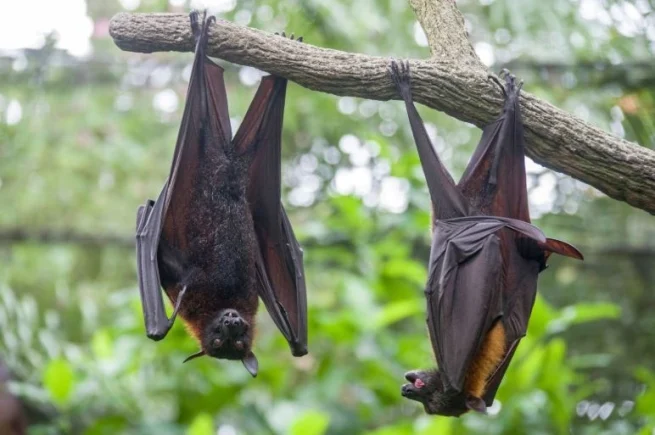
Fruit bats, particularly those belonging to the Pteropus genus, are recognised as the natural hosts of the virus. These bats, commonly known as flying foxes, can shed the virus through their saliva, urine and droppings. Research has shown that Nipah virus can also infect other animals, including pigs, dogs, cats, goats, horses and sheep, sometimes acting as intermediate hosts that increase the risk of human exposure.

Read More

Aging Well: 10 things people who look young in their 70s do differently

I’ve been thinking a lot about aging lately, probably because I’m now at that stage where the mirror gives a little more feedback than it used to.

Not complaints exactly, just observations that make you pause a second longer before heading out the door.

What really gets my attention, though, are the people who seem to age in an entirely different way. You know the ones.

They’re in their seventies, but they carry themselves with ease, their eyes are bright, and their energy feels calm rather than rushed.

Read More