

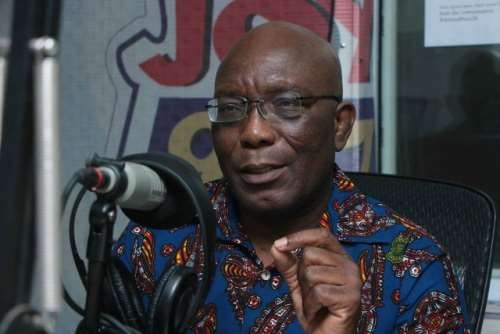
Dr. Daniel Seddoh, former Chief Executive Officer of the National Pensions Regulatory Authority (NPRA), has issued a cautionary statement regarding the government’s recent decision to halt prosecution in the high-profile case involving Dr. Kwabena Duffuor and seven others. The decision follows the recovery of 60% of the alleged losses in the matter, which reportedly amounts to over GH¢5 billion.
Speaking on JoyNews’ PM Express programme on Tuesday, Dr. Seddoh expressed that he was not surprised by the announcement made by the Office of the Attorney-General. The office, acting alongside the Economic and Organised Crime Office (EOCO) and other state agencies, disclosed that after years of legal proceedings, the state had recovered a significant portion of the funds in question and would reconsider further prosecution of the accused parties.
“I wasn’t surprised because this case has dragged on for several years—between seven and eight years,” Dr. Seddoh noted. “Our legal system is notoriously slow and cumbersome. It’s been a painful process that has even led to the loss of lives during the course of these investigations.”
Dr. Seddoh acknowledged that some members of the public may view the recovery of 60% of the funds as a partial success, better than recovering nothing at all. However, he challenged this perception, urging a deeper reflection on the implications of halting the legal process at this stage.
“While some people may say ‘60% is better than nothing,’ I have far more profound concerns than settling for that,” he remarked.
One of his key points centered on the nature of banking and the fiduciary responsibility banks hold toward their depositors. Dr. Seddoh explained that banks do not operate with their own money but rather with funds entrusted to them by depositors and various stakeholders.
“Banks essentially have no money of their own. They leverage deposits and other people’s money to conduct their operations,” he explained. “Depositors place their money in banks based on a fundamental relationship of trust—the understanding that their funds will be available to them whenever they need to withdraw.”
This, Dr. Seddoh emphasized, places a significant responsibility on the regulatory and legal systems to safeguard public funds and ensure accountability when misappropriation occurs. He implied that stopping prosecution before fully resolving the case could shift the ultimate financial burden to taxpayers, who would have to bear the costs associated with any unrecovered losses.
The case, which has drawn considerable public attention due to its scale and the profiles of the individuals involved, remains emblematic of the challenges facing Ghana’s justice and financial regulatory systems. The protracted nature of the trial, coupled with concerns about recovery and accountability, has sparked debate over the effectiveness of current mechanisms for handling financial crimes.
As the government weighs the decision to halt prosecution following the partial recovery, experts like Dr. Seddoh urge continued vigilance and transparency to protect the interests of depositors and the public at large.
Edited by: KENNEDY AMPONSAH NTI
EASTERN FM 105.1 MHZ