
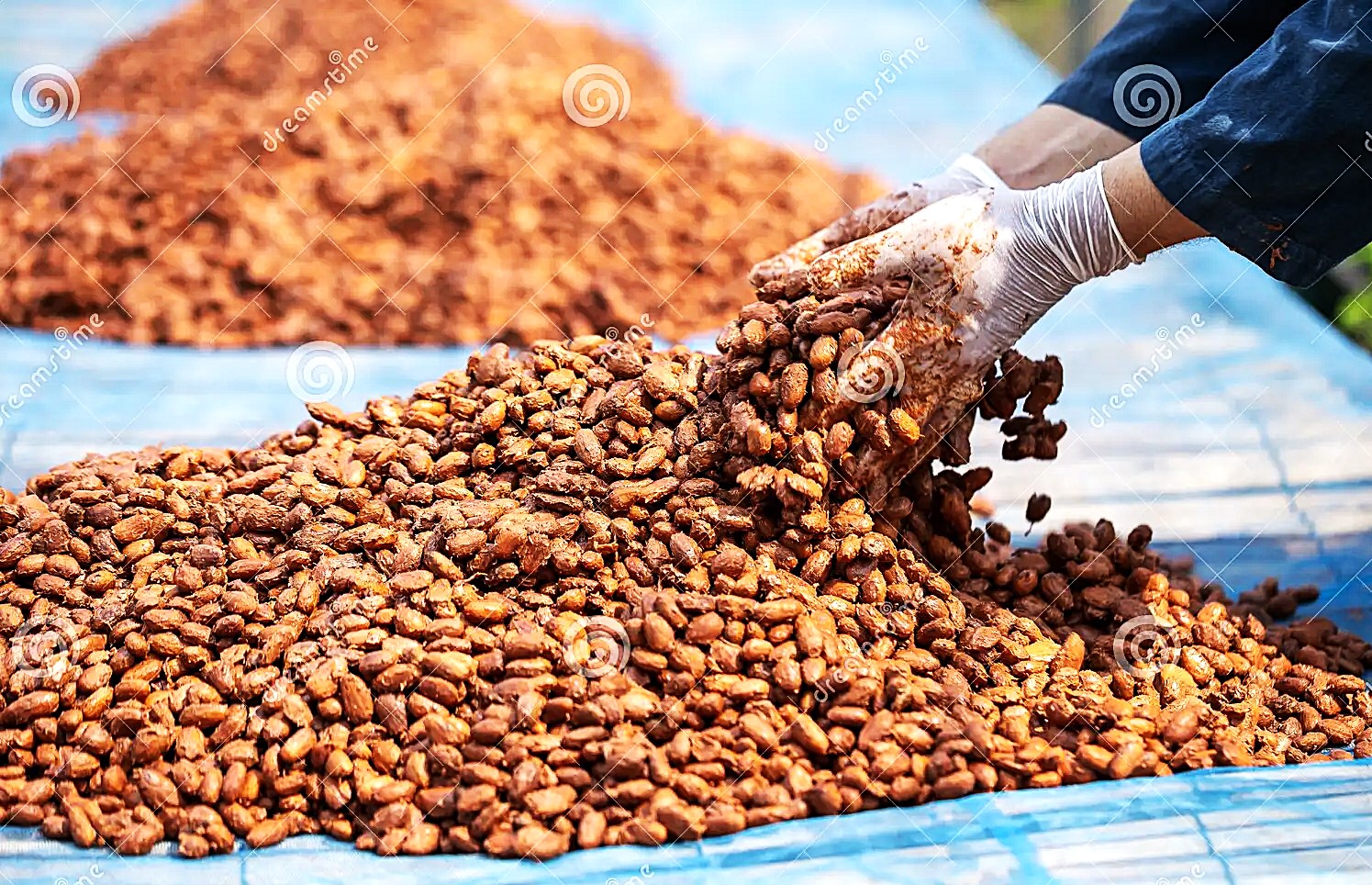
Accra, Ghana – August 4, 2025 — The Government of Ghana is set to officially announce a new producer price for cocoa for the 2025/2026 crop season today, August 4. This announcement comes at a critical moment for the country’s cocoa sector, following a series of internal reviews and consultations with key stakeholders across the value chain.
EASTERN FM 105.1 MHz NEWS ROOM has gathered that the announcement will be made following the successful completion of assessments carried out by various inter-ministerial and technical committees. These bodies were tasked with evaluating the current pricing framework and recommending adjustments based on global market conditions, domestic economic trends, and the government’s policy priorities.
Anticipated Dollar Gains, Cedi Concerns
There is mounting anticipation within the cocoa farming community and the broader agricultural sector that the new price will reflect a substantial increase, particularly in U.S. dollar terms. The international price of cocoa has seen an impressive rally in recent months, with futures trading at approximately $7,555 per tonne as of last night.
However, despite the positive outlook in dollar terms, concerns remain over how this increase will translate into the local Ghanaian currency. The Ghana cedi has appreciated significantly against the U.S. dollar over the last few months, prompting fears that the real value of any price adjustment may be undermined when converted into cedis.
Currently, the official producer price for cocoa is GH¢3,100 per 64-kilogram bag, equivalent to GH¢49,600 per tonne. This pricing structure was set during the 2024/2025 crop season and has remained unchanged despite the fluctuations in global commodity markets.
Policy Commitment Ahead of Season Opening
The timing of the new price announcement is strategic, as it precedes the formal opening of the 2025/2026 cocoa season, scheduled for Thursday, August 7. This move aligns with government efforts to ensure transparency and predictability for farmers as they prepare for the new harvesting cycle.
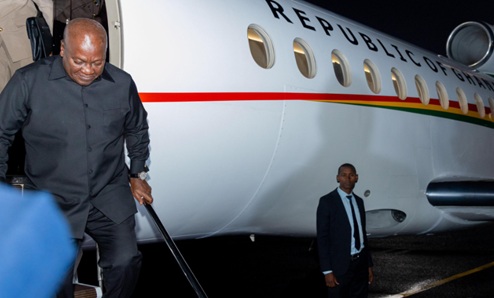
President John Mahama, speaking at a public forum last month, reaffirmed his administration’s long-standing commitment to supporting cocoa farmers. He emphasized that his government intends to ensure that cocoa producers receive not less than 70 percent of the international market price. According to him, this approach reflects a broader effort to guarantee fairness in agricultural markets and restore the economic dignity of Ghanaian farmers, who contribute significantly to the national economy.
Subsidies and Fiscal Pressure
Government sources indicate that Ghana has, in recent months, absorbed a significant portion of cocoa market volatility by subsidizing producer prices. According to policy officials, the government has been paying nearly 90 percent of the global market price directly to farmers over the past five months, even as the international cocoa price continued to climb. This subsidy scheme was aimed at shielding local farmers from adverse currency impacts and inflationary pressures.
However, the sustainability of such subsidies has come under scrutiny, especially in light of recent fiscal constraints and changing macroeconomic dynamics. Analysts warn that while global prices may be favorable, the domestic pricing structure must be carefully managed to avoid creating imbalances in the cocoa marketing system.
Currency Volatility and Farmer Incomes
Speaking to EASTERN FM 105.1 MHz NEWS ROOM‘s , the Chief Executive Officer of the Ghana Cocoa Board (COCOBOD), Dr. Randy Abbey, voiced concerns regarding the potential erosion of farmer incomes due to currency fluctuations.
“What we are seeing now is a situation where global prices are high, and that would normally translate into higher incomes for our farmers. But with the cedi appreciating sharply, the gains could be reduced when translated into Ghana cedi,” Dr. Abbey explained.
He further emphasized the need for a balanced approach in determining the producer price, taking into account both global commodity trends and domestic macroeconomic conditions. Dr. Abbey suggested that while it is important to reward farmers fairly, the pricing model must remain sustainable to protect the long-term viability of the cocoa sector.
The Road Ahead
As the country awaits the official announcement later today, all eyes are on the government and COCOBOD to unveil a pricing framework that strikes the right balance between competitiveness, fairness, and fiscal prudence. For tens of thousands of cocoa farmers across Ghana, the new price will determine not only their incomes for the coming year but also their ability to invest in farm maintenance, fertilizer, and inputs essential for productivity.
In the broader economic context, cocoa remains Ghana’s second-largest foreign exchange earner, and any major policy changes affecting the sector are likely to have ripple effects across the economy. Stakeholders, including farmer cooperatives, export companies, and financial institutions, will be closely monitoring the announcement and its implications for the upcoming season.
EASTERN FM 105.1 MHz NEWS ROOM will provide continuous updates throughout the day as the government reveals the new pricing structure and any accompanying policy measures for the 2025/2026 cocoa crop season.
STORY BY: KENNEDY AMPONSAH NTI
EASTERN FM 105.1 MHZ
NEWS ROOM