
Ghana’s economic indicators are showing fresh signs of stability, as the latest data from the Ghana Statistical Service reveals a significant decline in the Producer Price Inflation (PPI). For July 2025, the PPI registered 3.8 percent, its lowest level in almost two years.
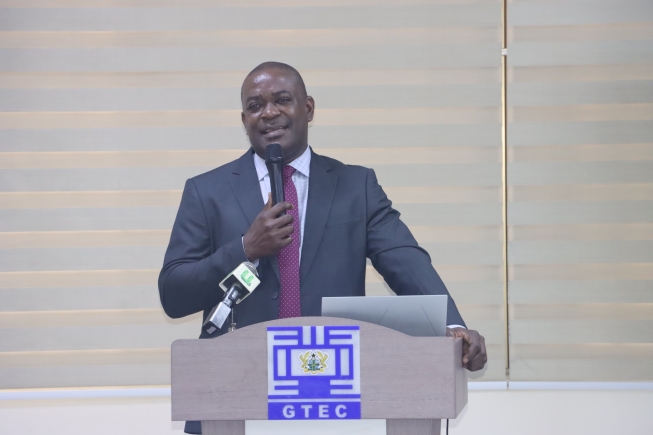
Announcing the figures, the Government Statistician, Dr. Alhassan Iddrisu, called on government, businesses, and households to seize the opportunity presented by the drop to implement decisive and forward-looking strategies that can safeguard the economy against future shocks.
The Producer Price Index (PPI) tracks the average changes over time in the prices producers receive for their goods and services. It is considered a critical early indicator of inflationary pressures in an economy, as rising or falling production costs often filter down to consumer prices.
Background and Recent Trends
The 3.8 percent inflation rate marks a notable improvement when compared to figures recorded over the past two years. In 2023 and early 2024, Ghana’s PPI consistently hovered in double digits, peaking at over 50 percent in some months due to rising global commodity prices, exchange rate volatility, and high input costs across the mining, manufacturing, and utility sectors.
However, sustained interventions by the government, combined with more stable international oil and commodity prices, have contributed to a steady downward trajectory since late 2024. The July 2025 figure continues this positive trend, providing some relief to both producers and consumers.
Sector-by-Sector Breakdown
Data from the statistical service indicates that the decline in PPI has been driven largely by reduced cost pressures in the manufacturing sector, which accounts for the largest share of Ghana’s industrial output. Lower import costs for raw materials, coupled with improved domestic supply chains, have helped ease producer expenses.
The mining and quarrying sector also recorded a moderation in production costs, despite global uncertainties in gold and other mineral prices. Similarly, the utilities sector—covering electricity and water—remained relatively stable, providing further balance to overall PPI levels.
Implications for the Economy
Dr. Iddrisu stressed that the downward trend is not only a sign of progress but also a crucial turning point for the economy. He urged policymakers to use the breathing space to strengthen fiscal and monetary frameworks that can anchor inflation expectations and foster sustainable growth.
For businesses, the Statistician emphasized the importance of capitalizing on reduced production costs by expanding investments in innovation, technology, and workforce training. This, he noted, could enhance competitiveness in both domestic and export markets.
Households were encouraged to maintain cautious financial practices, particularly in the areas of consumption and savings. Although the fall in PPI signals easing inflationary pressure, external risks such as global fuel price fluctuations and currency depreciation still pose potential threats.
Looking Ahead
Economic analysts note that if current trends persist, Ghana could experience more predictable price movements in the coming months, easing the burden on consumers and strengthening investor confidence. However, maintaining stability will require vigilance, consistent policy discipline, and collective effort from all stakeholders.
EASTERN FM 105.1 MHz will continue to provide detailed updates and expert commentary on Ghana’s economic performance, ensuring that citizens, policymakers, and businesses remain informed and prepared for both opportunities and challenges ahead.
STORY BY: KENNEDY AMPONSAH NTI
EASTERN FM 105.1 MHZ
NEWS ROOM