

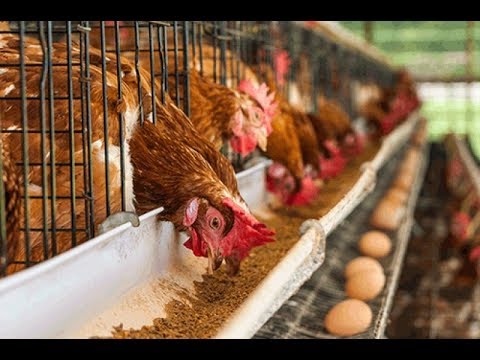
Egg traders in Accra have raised concerns that rising poultry feed costs are undermining the benefits of record-high egg production, keeping consumer prices unusually high despite what farmers describe as ample supply.
At major trading hubs, including the Lapaz and Mallam markets, traders report that escalating input costs continue to squeeze their profit margins. Currently, crates of eggs are selling for between GHC 65 and GHC 70, significantly higher than the GHC 40 per crate seen in previous years.
Elizabeth Nuertey, a trader at Lapaz, told EASTERN FM 105.1 MHZ that reducing feed prices is essential to boost sales and sustain market demand.
“Farmers rely on eggs not just for income, but also to feed their birds. If sales are low, we as traders don’t have enough capital to purchase more eggs, which directly affects farmers who depend on those sales to buy feed. We therefore urge authorities to intervene and help reduce poultry feed costs. This would allow farmers to lower prices for us,” she said.
Nuertey further explained the historical context of egg pricing in the market: “When I started this business as a wholesaler, a crate of eggs cost GHC 55. At the farm gate, we usually add only GHC 2 as profit, plus transportation costs. For direct consumers, a crate sells for about GHC 60.”
While some traders attribute the slowdown in market activity to reduced consumer demand rather than oversupply, others insist that sluggish sales are the primary challenge.
Sarah Tetteh, a trader at the Mallam market, commented: “There is no glut in egg production. The real issue is that sales are discouraging, and it’s only by the grace of God that we are able to sell at all. Prices are very high now—a crate of eggs costs between GHC 65 and GHC 70. In previous years, we used to sell a crate for about GHC 40, but that is no longer the case.”
Adding an industry perspective, Ali Muhammed, CEO of the Greater Accra Poultry Farmers Association, revealed that farmgate prices for eggs have actually declined, despite high consumer prices. He emphasized the importance of passing these reductions on to end consumers.
“We continuously try to sensitise traders who purchase eggs from the farm gate to adjust their pricing, but post-market surveys indicate limited compliance. This is taking a toll because farmers are noticing reduced patronage. The problem is further compounded by inadequate storage facilities, particularly among local farmers,” Muhammed explained.
The current situation highlights the delicate balance between production, input costs, and consumer affordability in Ghana’s poultry sector. Industry stakeholders continue to call for government intervention and policy measures to stabilize feed prices and support both farmers and traders in sustaining a thriving egg market.
STORY BY: KENNEDY AMPONSAH NTI
EASTERN FM 105.1 MHZ
NEWS ROOM