
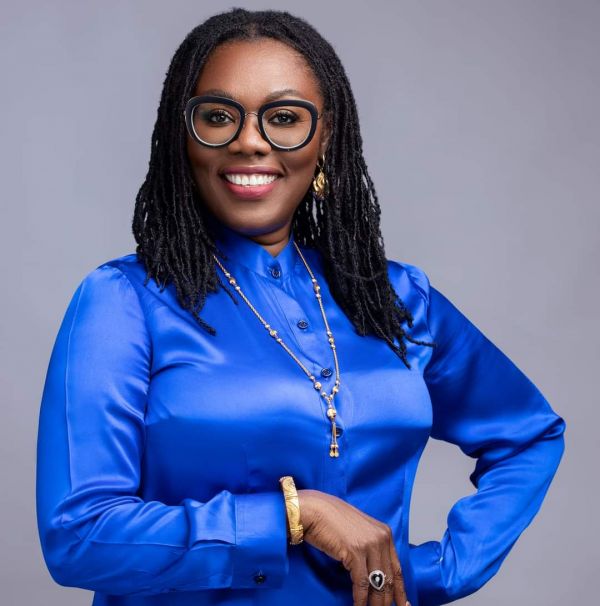
Ursula Owusu-Ekuful, Ghana’s former Minister for Communications and Digitisation and a seasoned lawmaker, has sparked meaningful conversation following a frank revelation about her teenage years. In a bold and introspective moment during a recent interview, the prominent female politician opened up about her past experiences with same-sex experimentation during her time in secondary school—a period she described as one of youthful curiosity and self-discovery.
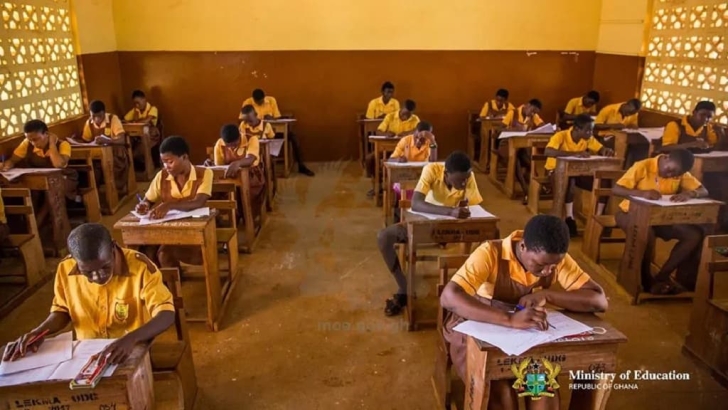
Speaking candidly, Owusu-Ekuful referred to a practice colloquially known among Ghanaian students as “supi supi”, which loosely describes emotionally and sometimes physically intimate relationships that occur between girls in single-sex boarding schools. “Most of us who went through the boarding system would have had some exposure, particularly in girls’ schools and even in some mixed schools, with what we used to call ‘supism,’” she admitted. “We did it. I don’t make any apologies about it, but I like my men.”
Her comments, though startling to some, were not intended to be sensational. Rather, they reflected a broader commentary on adolescence, identity exploration, and the societal constraints that often silence open dialogue on such topics. By owning her experiences without shame, the former minister emphasized that such behavior, while misunderstood or stigmatized by some, is not uncommon and is often part of a broader journey toward self-understanding.
Owusu-Ekuful contextualized her remarks by explaining that these episodes occurred during a time when young people often acted out of naivety and natural curiosity. “You’re exploring your sexuality, so you do all kinds of silly things growing up,” she said. “Thank God there were no social media platforms when we were growing up; otherwise, some of these crazy things we did would have left a permanent record that could haunt us today.”
This reflection on the absence of social media in her youth also served as a cautionary note about the digital age’s lasting impact on personal privacy and legacy. Today’s adolescents, she implied, live under the constant scrutiny of digital surveillance and online permanence—factors that make youthful mistakes far less forgiving.
Her remarks have ignited a wave of responses, with some praising her honesty and willingness to address an often-taboo subject, while others have raised questions about how such discussions should be framed in Ghana’s deeply conservative cultural context. Nonetheless, Ursula Owusu-Ekuful’s openness has initiated a larger dialogue about adolescent identity formation, gender dynamics in boarding schools, and the importance of understanding youthful behavior without harsh judgment.
In a society where conversations about sexuality—especially same-sex experiences—are often hushed or harshly criticized, her testimony stands out as a bold move toward transparency and maturity in public discourse. While affirming her heterosexual identity and current preferences, the former minister has nonetheless contributed to a more nuanced understanding of how sexuality can evolve and how people—particularly young women—can learn and grow from their formative experiences without shame.
Edited by: KENNEDY AMPONSAH NTI
EASTERN FM 105.1 MHZ