
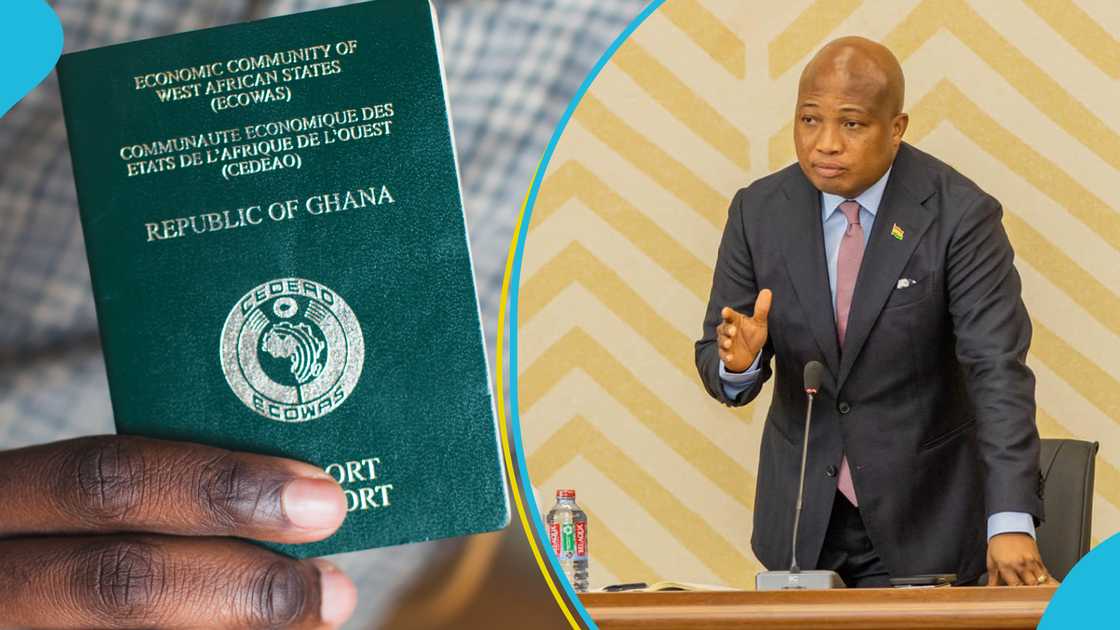
Ghana’s Parliament has unanimously approved the ratification of four visa waiver agreements between the Republic of Ghana and four strategic partner countries—Mozambique, São Tomé and Príncipe, Colombia, and the Commonwealth of Dominica—marking a significant step forward in Ghana’s ongoing efforts to enhance global mobility, economic diplomacy, and regional cooperation.
The visa waiver agreements, which apply to holders of diplomatic, service, and ordinary passports, are designed to facilitate smoother travel between Ghana and the partner countries. By removing visa requirements for eligible travelers, the agreements aim to reduce administrative barriers, increase people-to-people exchanges, and foster closer ties across multiple sectors including education, energy, trade, tourism, and agriculture.
Parliamentary Endorsement and Committee Review
The report on the agreements was presented on the floor of Parliament by Hon. Alfred Okoe Vanderpuije, Chairman of the Committee on Foreign Affairs and Regional Integration. He outlined the rationale for the agreements, emphasizing that they are not merely symbolic but are part of a broader strategic plan to deepen multilateral and bilateral partnerships that can deliver tangible benefits to the Ghanaian economy and society.
“These agreements are vital tools for enhancing our international relations and enabling cooperation in areas that matter most to our national development agenda,” Hon. Vanderpuije said. “They open the door to greater collaboration in education, energy development, trade facilitation, tourism promotion, and agricultural investment.”
He added that visa-free access for passport holders in these categories is a standard international practice that allows for smoother diplomatic and professional engagement, while also enhancing the image of Ghana as a globally connected and welcoming country.
Ministerial Assurances on Fiscal Impact
During deliberations in Parliament, the Minister for Foreign Affairs and Regional Integration, Hon. Samuel Okudzeto Ablakwa, addressed concerns regarding the potential revenue loss due to waived visa fees. He clarified that while the agreements do indeed waive visa fees for certain categories of travelers, there is no immediate or significant fiscal loss to the state. On the contrary, the long-term economic and diplomatic benefits are expected to far outweigh any initial reductions in visa income.
“We must understand that the objective here is not to collect visa fees, but to create an enabling environment for business, cultural exchange, and international collaboration,” the Minister explained. “The waiver of visa requirements is a calculated move to increase trade volumes, attract tourists, encourage academic partnerships, and facilitate technical cooperation—all of which contribute to national growth and regional integration.”
Hon. Ablakwa also noted that increased ease of travel often leads to an uptick in bilateral visits, trade missions, and investment delegations, which can ultimately generate higher revenues for the country through sectors such as hospitality, aviation, retail, and services.
Expected Benefits Across Sectors
According to the Ministry, the visa waiver agreements are aligned with Ghana’s foreign policy objectives and its ongoing efforts to position itself as a hub for diplomacy, trade, and investment in West Africa. The following are among the key anticipated benefits of the agreements:
- Trade and Investment: With fewer barriers to travel, businesses and investors from the partner countries can more easily explore opportunities in Ghana. This is expected to result in increased foreign direct investment (FDI), joint ventures, and partnerships, especially in key sectors such as agriculture, energy, and manufacturing.
- Tourism Growth: The removal of visa restrictions will also likely increase tourist traffic between Ghana and the four countries, thereby supporting Ghana’s domestic tourism industry, creating jobs, and stimulating demand for local goods and services.
- Educational and Cultural Exchange: Visa waivers for academic professionals, students, and cultural emissaries will allow institutions in Ghana to collaborate more actively with foreign universities, research centers, and cultural organizations. This may lead to exchange programs, scholarships, and shared knowledge initiatives.
- Diplomatic Efficiency: For diplomatic passport holders and public officials, the elimination of visa requirements will simplify official travel for state visits, summits, conferences, and bilateral engagements—improving the efficiency and cost-effectiveness of Ghana’s international relations.
Strategic Importance of Partner Countries
Each of the four countries involved in the agreements holds strategic value for Ghana:
- Mozambique and São Tomé and Príncipe represent key partners within Africa, with shared continental goals under the African Union (AU) and the African Continental Free Trade Area (AfCFTA). Strengthening ties with these countries enhances South-South cooperation and regional solidarity.
- Colombia, as a rising economy in Latin America, provides opportunities for trade diversification, particularly in agricultural products, mining, and educational exchange.
- The Commonwealth of Dominica, a small island state in the Caribbean, shares historical and Commonwealth ties with Ghana. The agreement opens the door for deeper cooperation in areas such as climate change resilience, disaster management, and renewable energy.
Broader Implications and Next Steps
The ratification of these agreements is part of a growing global trend in which countries are removing unnecessary visa restrictions to improve economic engagement and facilitate international mobility. Ghana’s decision reflects a proactive approach to diplomacy and positions the country as a forward-thinking and accessible destination for travel and investment.
The Ministry of Foreign Affairs and Regional Integration is expected to begin implementing the technical and administrative aspects of the agreements in the coming months, in coordination with Ghana’s Immigration Service and embassies abroad.
Stakeholders in the private sector, especially in the travel, tourism, education, and trade industries, have been encouraged to take advantage of the new arrangements and explore opportunities for collaboration with their counterparts in the partner countries.
Edited by: KENNEDY AMPONSAH NTI
EASTERN FM 105.1 MHZ