

As tensions continue to simmer in the conflict-ridden town of Bawku in Ghana’s Upper East Region, national efforts to restore peace have drawn both commendation and criticism. While the government’s decisive military intervention has been praised as a necessary move to contain the unrest, security and governance expert Dr. Ishmael Norman is sounding the alarm on a critical oversight in the current peace enforcement strategy — the mental and emotional health of the soldiers deployed to the volatile region.
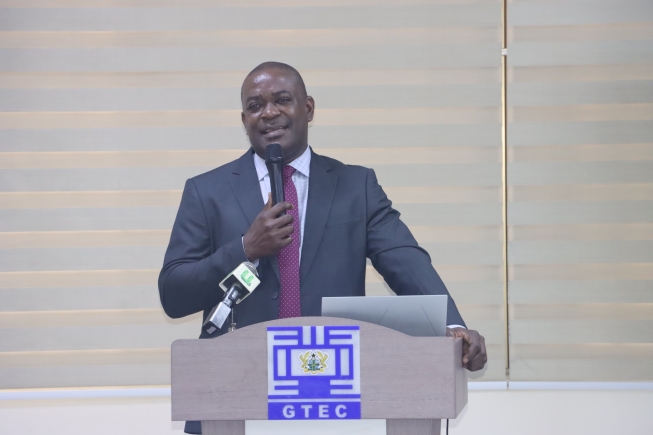
Speaking during a panel discussion on The KeyPoints program on August 2, 2025, Dr. Norman welcomed the proactive stance of the government, noting that stemming the violence in Bawku is crucial not just for the region, but for the overall national security architecture of Ghana. With over 400 military personnel stationed in Bawku under a presidential directive, the security buildup is part of a broader containment policy to prevent the conflict from spilling into other parts of the country.
A Necessary but Incomplete Strategy
While Dr. Norman agreed that a strong security presence is warranted given the volatility in Bawku, he pointed out what he believes to be a glaring flaw in the operational design: the psychological well-being of the personnel involved.
“We deploy the soldiers because they are soldiers,” Dr. Norman emphasized. “But we need to treat them also as human beings. They are not machines. They are not immune to the trauma that comes with conflict.”
He described the deployment as a high-stakes, emotionally draining assignment that places the mental health of the security personnel under intense strain — a factor that, if not addressed, could result in dangerous consequences.
“They need help,” he stressed. “They need psychological intervention — in the field and after the event. But as a country, we’re doing little to nothing in this regard.”
The Human Cost Behind the Uniform
According to Dr. Norman, the government’s failure to deploy trained psychologists or counselors alongside the troops is a serious omission. He warned that the cumulative emotional burden soldiers face in high-risk conflict zones could cause long-term psychological trauma and, in the short term, lead to impaired judgment or overreaction during engagements.
“Before they themselves become weaponized and react in a very negative way to the people they’re there to support and protect, we must do better,” he cautioned.
He raised equally pressing concerns about the welfare of the families of the deployed personnel — the spouses, children, and parents who live in constant fear for the safety of their loved ones. “What about the soldiers’ families? Who is taking care of their wives, their children, their fear?” he asked pointedly.
Bawku’s Decline and National Ramifications
Dr. Norman didn’t limit his concerns to military welfare. He also provided a sobering account of how the conflict in Bawku is devastating the region’s economic prospects. Once a vibrant commercial and transport hub linking Ghana to neighboring Burkina Faso and other Sahelian countries, Bawku has now become a shadow of its former self.
“Bawku has become a no-go area for many. Which businessman or woman is going to invest there now? Nobody,” he lamented. “The longer the violence persists, the more we deepen the economic divide and prolong suffering.”
The breakdown of social and economic activity, he argued, risks creating a domino effect that could weaken investor confidence in the broader Upper East Region, if not the entire country.
Commendation with a Caveat
Despite his criticisms, Dr. Norman offered praise for the current administration’s overall efforts to stabilize the region. He particularly applauded President John Mahama’s government for adopting a security-first strategy to preserve national unity and attract investment.
“The government is doing its best, I believe that,” Dr. Norman acknowledged. “But peacekeeping cannot just be about boots on the ground and ammunition. We must expand our definition of national security to include the mental and emotional security of our peacekeepers.”
He urged policymakers to adopt a more holistic approach, one that pairs tactical readiness with psychosocial care. “There should be a lot more — not just giving them ammunition and food and water — but real care,” he added. “They are human. They carry the nation’s trauma.”
Rules of Engagement and the Moral Dilemma
Dr. Norman also touched on the complex ethical terrain soldiers must navigate in conflict zones, particularly in environments where they may face hostility not from enemy combatants but from the very civilians they are deployed to protect.
“When you are protecting people and they turn against you, the law allows you to shoot. And I will be one of the first people to support that idea,” he stated, pointing to the legal and operational dilemmas that arise in asymmetric conflict zones like Bawku.
However, he stressed that such last-resort actions must be guided by clear rules of engagement, proper training, and sound mental health, all of which are impossible if soldiers are pushed beyond their emotional limits.
Conclusion: A Call for Comprehensive Security Reform
Dr. Norman’s comments serve as a timely reminder that effective conflict resolution extends beyond tactical victories. As Bawku continues to simmer under military occupation and residents yearn for peace, the onus is on the Ghanaian government to invest not just in weapons and manpower, but also in the resilience and humanity of those tasked with defending the state.
“The soldiers are doing their duty,” Dr. Norman concluded. “Now it’s time for the state to do its duty — by caring for those who carry our collective burden on their shoulders.”
STORY BY KENNEDY AMPONSAH NTI
EASTERN FM 105.1 MHZ